
General
Preferred name
LEVOTHYROXINE
Synonyms
L-Thyroxine ()
NSC 36397 ()
T4 ()
LT4 sodium ()
LEVOTHYROXINE SODIUM ()
L-T4 sodium ()
Thyroxine (L) ()
L-Thyroxine (sodium) ()
L-Thyroxine sodium ()
L-Thyroxine sodium xhydrate ()
Levothyroxine (sodium) ()
T4 (sodium) ()
NSC 36397,Levothyroxine ()
L-T4 sodium, L-Thyroxine sodium, LT4 sodium ()
Sodium levothyroxine ()
T4 ()
SK&F 1-6528 ()
NSC-36397 ()
Thyroxine, l- ()
Levothyroxin ()
Synthetic levothyroxine ()
Thyroxine ()
Levothyrox ()
Levothyroxine sodium anhydrous ()
Tirosint-sol ()
Liotrix (t4) ()
Levothroid ()
T4 (liotrix) ()
Thyroxine sodium ()
Levothyroxinum natricum anhydrous ()
Eferox ()
Novothyrox ()
Euthyrox ()
L-Thyroxine Henning ()
Thyquidity ()
Levothyroxine sodium hydrate ()
Levoxyl ()
Thyro-tabs ()
Ermeza ()
Evotrox ()
Synthroid ()
Levaxin ()
Thyroxine sodium salt ()
Tirosint ()
Levo-T ()
Oroxine ()
Levothyroxine sodique ()
Levothyroxine sodium Pentahydrate ()
Monosodium l-thyroxine hydrate ()
Soloxine ()
Sodium levothyroxine pentahydrate ()
Levotiroxina de sodio ()
Unithroid ()
Levolet ()
Eltroxin ()
NSC-259940 ()
[125I]thyroxine ()
Thyroxine i-125 ()
Thyroxine, i-125 ()
Thyroxine-125i ()
THYROXINE I 125 ()
Thyroxine i-131 ()
Thyroxine, i-131 ()
Thyroxine (131i) ()
THYROXINE I 131 ()
L-Thyroxine ()
L-Thyroxine-13C9,15N ()
P&D ID
PD001584
CAS
51-48-9
80945-46-6
24486-40-6
25416-65-3
50809-32-0
7019-69-4
55-03-8
1431868-11-9
Tags
available
covalent binder
drug
endogenous
drug candidate
Approved by
PMDA
FDA
First approval
2000
1982
Drug indication
Hypothyroidism
diabetes mellitus
Drug Status
approved
investigational
vet_approved
Max Phase
4.0

Probe control
Probe control not defined

Orthogonal probes
0
No orthogonal probes found

Similar probes
0
No structurally similar probes found
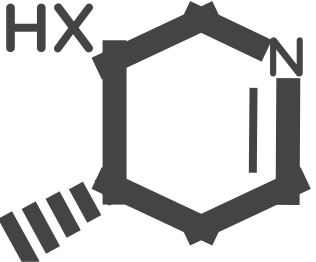 Structure

 P&D probe-likeness score

Structure formats
[[ format ]]
[[ compound[format === 'MOL' ? 'molblock' : format.toLowerCase()] ]]
Description
(extracted from source data)
DESCRIPTION
Thyroid hormone receptor agonist
(GtoPdb)
ROE
Thyroid hormones are primarily eliminated by the kidneys. A portion of the conjugated hormone reaches the colon unchanged and is eliminated in the feces. Approximately 20% of T4 is eliminated in the stool. Urinary excretion of T4 decreases with age.
PHARMACODYNAMICS
Oral levothyroxine is a synthetic hormone that exerts the same physiologic effect as endogenous T4, thereby maintaining normal T4 levels when a deficiency is present. ; ; Levothyroxine has a narrow therapeutic index and is titrated to maintain a euthyroid state with TSH (thyroid stimulating hormone) within a therapeutic range of 0.45â4.5 mIU/L. Over- or undertreatment with levothyroxine may have negative effects on growth and development, cardiovascular function, bone metabolism, reproductive function, cognitive function, emotional state, gastrointestinal function and glucose and lipid metabolism. The dose of levothyroxine should be titrated slowly and carefully and patients should be monitored for their response to titration to avoid these effects. TSH levels should be monitored at least yearly to avoid over-treating with levothyroxine which can result in hyperthyroidism (TSH <0.1mIU/L) and symptoms of increased heart rate, diarrhea, tremor, hypercalcemia, and weakness to name a few.[F4636]; ; As many cardiac functions including heart rate, cardiac output, and systemic vascular resistance are closely linked to thyroid status,[A179938] over-treatment with levothyroxine may result in increases in heart rate, cardiac wall thickness, and cardiac contractility and may precipitate angina or arrhythmias, particularly in patients with cardiovascular disease and in elderly patients. In populations with any cardiac concerns, levothyroxine should be initiated at lower doses than those recommended in younger individuals or in patients without cardiac disease. Patients receiving concomitant levothyroxine and sympathomimetic agents should be monitored for signs and symptoms of coronary insufficiency. If cardiac symptoms develop or worsen, reduce the levothyroxine dose or withhold for one week and restart at a lower dose.[F4636]; ; Increased bone resorption and decreased bone mineral density may occur as a result of levothyroxine over-replacement, particularly in post-menopausal women. The increased bone resorption may be associated with increased serum levels and urinary excretion of calcium and phosphorous, elevations in bone alkaline phosphatase and suppressed serum parathyroid hormone levels. Administer the minimum dose of levothyroxine that achieves the desired clinical and biochemical response to mitigate this risk.; ; Addition of levothyroxine therapy in patients with diabetes mellitus may worsen glycemic control and result in increased antidiabetic agent or insulin requirements. Carefully monitor glycemic control after starting, changing or discontinuing levothyroxine.
INDICATION
Levothyroxine is indicated as replacement therapy in primary (thyroidal), secondary (pituitary) and tertiary (hypothalamic) congenital or acquired hypothyroidism. It is also indicated as an adjunct to surgery and radioiodine therapy in the management of thyrotropin-dependent well-differentiated thyroid cancer.
MOA
Levothyroxine is a synthetically prepared levo-isomer of the thyroid hormone thyroxine (T4, a tetra-iodinated tyrosine derivative) that acts as a replacement in deficiency syndromes such as hypothyroidism. T4 is the major hormone secreted from the thyroid gland and is chemically identical to the naturally secreted T4: it increases metabolic rate, decreases thyroid-stimulating hormone (TSH) production from the anterior lobe of the pituitary gland, and, in peripheral tissues, is converted to T3. Thyroxine is released from its precursor protein thyroglobulin through proteolysis and secreted into the blood where is it then peripherally deiodinated to form triiodothyronine (T3) which exerts a broad spectrum of stimulatory effects on cell metabolism. T4 and T3 have a relative potency of ~1:4. ; ; Thyroid hormone increases the metabolic rate of cells of all tissues in the body. In the fetus and newborn, thyroid hormone is important for the growth and development of all tissues including bones and the brain. In adults, thyroid hormone helps to maintain brain function, food metabolism, and body temperature, among other effects. The symptoms of thyroid deficiency relieved by levothyroxine include slow speech, lack of energy, weight gain, hair loss, dry thick skin and unusual sensitivity to cold.; ; The thyroid hormones have been shown to exert both genomic and non-genomic effects.[A179950] They exert their genomic effects by diffusing into the cell nucleus and binding to thyroid hormone receptors in DNA regions called thyroid hormone response elements (TREs) near genes.[A179605] This complex of T4, T3, DNA, and other coregulatory proteins causes a conformational change and a resulting shift in transcriptional regulation of nearby genes, synthesis of messenger RNA, and cytoplasmic protein production.[A179605,A179935] For example, in cardiac tissues T3 has been shown to regulate the genes for α- and β-myosin heavy chains, production of the sarcoplasmic reticulum proteins calcium-activated ATPase (Ca2+-ATPase) and phospholamban, β-adrenergic receptors, guanine-nucleotide regulatory proteins, and adenylyl cyclase types V and VI as well as several plasma-membrane ion transporters, such as Na+/K+âATPase, Na+/Ca2+ exchanger, and voltage-gated potassium channels, including Kv1.5, Kv4.2, and Kv4.3. [A179938] As a result, many cardiac functions including heart rate, cardiac output, and systemic vascular resistance are closely linked to thyroid status.
METABOLISM
Approximately 70% of secreted T4 is deiodinated to equal amounts of T3 and reverse triiodothyronine (rT3), which is calorigenically inactive. T4 is slowly eliminated through its major metabolic pathway to T3 via sequential deiodination, where approximately 80% of circulating T3 is derived from peripheral T4. The liver is the major site of degradation for both T4 and T3, with T4 deiodination also occurring at a number of additional sites, including the kidney and other tissues.; ; Elimination of T4 and T3 involves hepatic conjugation to glucuronic and sulfuric acids. The hormones undergo enterohepatic circulation as conjugates are hydrolyzed in the intestine and reabsorbed. Conjugated compounds that reach the colon are hydrolyzed and eliminated as free compounds in the feces. Other minor T4 metabolites have been identified.
ABSORPTION
Absorption of orally administered T4 from the gastrointestinal tract ranges from 40% to 80%. The majority of the levothyroxine sodium tablets dose is absorbed from the jejunum and upper ileum. T4 absorption is increased by fasting, and decreased in malabsorption syndromes and by certain foods such as soybeans, milk, and dietary fiber. Absorption may also decrease with age. In addition, many drugs affect T4 absorption including bile acide sequestrants, sucralfate, proton pump inhibitors, and minerals such as calcium (including in yogurt and milk products)[A179617], magnesium, iron, and aluminum supplements. To prevent the formation of insoluble chelates, levothyroxine should generally be taken on an empty stomach at least 2 hours before a meal and separated by at least 4 hours from any interacting agents.
PRICE
29
DESCRIPTION
L-Thyroxine (Levothyroxine; T4) is a synthetic hormone for the research of hypothyroidism. DIO enzymes convert biologically active thyroid hormone (Triiodothyronine,T3) from L-Thyroxine (T4)[1].
PRICE
29
DESCRIPTION
L-Thyroxine sodium (Levothyroxine sodium) is a synthetic hormone for the research of hypothyroidism. DIO enzymes convert biologically active thyroid hormone (Triiodothyronine,T3) from L-Thyroxine (T4)[1].
DESCRIPTION
L-Thyroxine (NSC 36397) is the major hormone derived from the thyroid gland. L-Thyroxine (NSC 36397) is synthesized via the iodination of tyrosines (MONOIODOTYROSINE) and the coupling of iodotyrosines (DIIODOTYROSINE) in the THYROGLOBULIN. L-Thyroxine (NSC 36397) is released from thyroglobulin by proteolysis and secreted into the blood. L-Thyroxine (NSC 36397) is peripherally deiodinated to form TRIIODOTHYRONINE which exerts a broad spectrum of stimulatory effects on cell metabolism.
(TargetMol Bioactive Compound Library)
DESCRIPTION
Levothyroxine is a synthetic T4 hormone used to treat hypothyroidism that can be used along with surgery and radioiodine therapy to manage thyrotropin-dependent well-differentiated thyroid cancer.
(Enamine Bioactive Compounds)
DESCRIPTION
L-Thyroxine sodium (LT4 sodium), the major hormone derived from the thyroid gland, is the agonist of Thyroid hormone receptor alpha and beta.
(TargetMol Bioactive Compound Library)
[[ p.pathway_name ]]
[[ compound.targets[tid].gene_name ]]
Compound Sets
33
AdooQ Bioactive Compound Library
ChEMBL Approved Drugs
ChEMBL Drugs
CovBinderInPDB
CZ-OPENSCREEN Bioactive Library
Drug Repurposing Hub
DrugBank
DrugBank Approved Drugs
DrugCentral
DrugCentral Approved Drugs
DrugMAP
DrugMAP Approved Drugs
Enamine Bioactive Compounds
EU-OPENSCREEN Bioactive Compound Library
IPPI - DB
LSP-MoA library (Laboratory of Systems Pharmacology)
MedChem Express Bioactive Compound Library
NCATS Inxight Approved Drugs
NIH Clinical Collections (NCC)
NPC Screening Collection
NURSA ligand set
Prestwick Chemical Library
ReFrame library
Selleckchem Bioactive Compound Library
The Spectrum Collection
[[ a.name ]]
[[ ligand_id ]]
free of charge
External IDs
266

Molecular Weight
776.69
Hydrogen Bond Acceptors
4
Hydrogen Bond Donors
3
Rotatable Bonds
5
Ring Count
2
Aromatic Ring Count
2
cLogP
4.56
TPSA
92.78
Fraction CSP3
0.13
Chiral centers
1.0
Largest ring
6.0
QED
0.39

Structural alerts
0
No structural alerts detected

Related compounds
Custom attributes
(extracted from source data)
Target
Endogenous Metabolite
THR
thyroid hormone
THRA, THRB
Thyroid hormone receptor
Indication
myxedema coma
MOA
thyroid hormone stimulant
Therapeutic Class
Antithyroid Agents
Pathway
Metabolic Enzyme/Protease
Vitamin D Related/Nuclear Receptor
Endocrinology/Hormones
Metabolism
Source data