
General
Preferred name
XYLITOL
Synonyms
Adonitol, Ribitol, Xylite, D-Xylitol, Adonite ()
Xylite ()
INS NO.967 ()
E967 ()
C-xylidex cr 16055 ()
xylo-Pentane-1,2,3,4,5-pentol ()
Klinit ()
Xyliton ()
E-967 ()
Xylitab 300 ()
Xylitol, d- ()
Xylite (sugar) ()
Xylitol cm 90 ()
Fluorette ()
Torch ()
Eutrit ()
Kylit ()
INS-967 ()
Kannit ()
NSC-25283 ()
Xylo-pentitol ()
P&D ID
PD000463
CAS
87-99-0
Tags
available
drug
Approved by
FDA
Drug Status
approved
investigational
Max Phase
3.0
Drug indication
diabetes mellitus

Probe control
Probe control not defined

Orthogonal probes
0
No orthogonal probes found

Similar probes
0
No structurally similar probes found
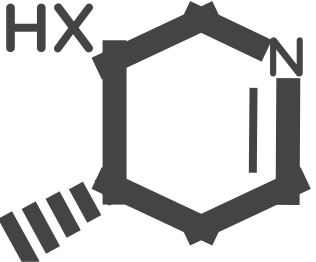 Structure

 P&D probe-likeness score

Structure formats
[[ format ]]
[[ compound[format === 'MOL' ? 'molblock' : format.toLowerCase()] ]]
Description
(extracted from source data)
PHARMACODYNAMICS
There has been evidence of xylitol in dental hygiene in reducing dental caries disease and also reversing the process of early caries [A22081]. Xylitol increases salivary flow and pH, reduces the levels of _Streptococcus mutans_ in plaque and saliva and reduces the adhesion on the microorganism to the teeth surface [A22081]. _Streptococcus mutans_ is the main target plaque microorganism [A32421], but xylitol may potentially have inhibitory actions against several other bacterial species [A22081].; It prevents a shift of the bacterial community towards a more cariogenic microflora in oral environment [A32423]. Oral ingestion of xylitol causes a smaller rise in plasma glucose and insulin concentrations than does the ingestion of glucose in healthy men and diabetics [A32429].
DESCRIPTION
Xylitol can be classified as a polyol and sugar alcohol, exhibiting inhibitory activity on cancer cell proliferation. It induces autophagy (Autophagy) and cell death in A549 cells by activating the autophagy signaling pathway, as evidenced by the increased expression of LC3-II and Atg5-Atg12 upon Xylitol treatment. Additionally, Xylitol inhibits acetaldehyde production by Candida species, thereby reducing their carcinogenic potential. In vivo, Xylitol induces alterations in the gut microbiota of mice, which may enhance cholesterol accumulation and upregulate hepatic ChREBP, while also slowing tumor growth in the B16F10 melanoma C57BL/6 mouse model[1][2][3][4].
[[ p.pathway_name ]]
[[ compound.targets[tid].gene_name ]]

Compound Sets
10
[[ a.name ]]
[[ ligand_id ]]
free of charge
External IDs
68

Molecular Weight
152.07
Hydrogen Bond Acceptors
5
Hydrogen Bond Donors
5
Rotatable Bonds
4
Ring Count
0
Aromatic Ring Count
0
cLogP
-2.95
TPSA
101.15
Fraction CSP3
1.0
Chiral centers
3.0
Largest ring
0.0
QED
0.3

Structural alerts
0
No structural alerts detected

Related compounds
Custom attributes
(extracted from source data)
Target
Atg7
Atg8/LC3
Autophagy
Bacterial
Endogenous Metabolite
Environmental Pollutants
Pathway
Anti-infection
Metabolic Enzyme/Protease
Source data